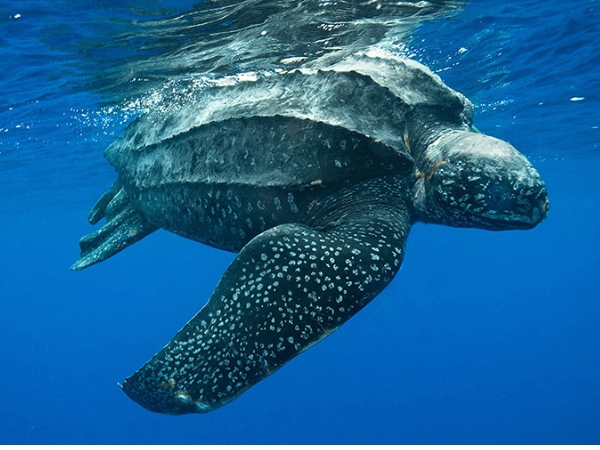
Leatherback turtle - Dermochelys coriacea - Driekiel
Leatherback turtles
The Leatherback is the largest of the species. An adult Leatherback can weigh up to 500 kilograms (1,100 lbs) with a length of typically 140 to 180 cm (4.5 to 6 ft). It’s the only species with a leathery back rather than a hard shell, hence the name. Leatherbacks primarily feed on jellyfishes, which is not abundant in our waters. They only arrive in the area to nest, otherwise, they spend their time in Northern Atlantic waters. Satellite data proceeding from our trackers show their migration path, spanning thousands of kilometres.
Photo by NOAA © NOAA
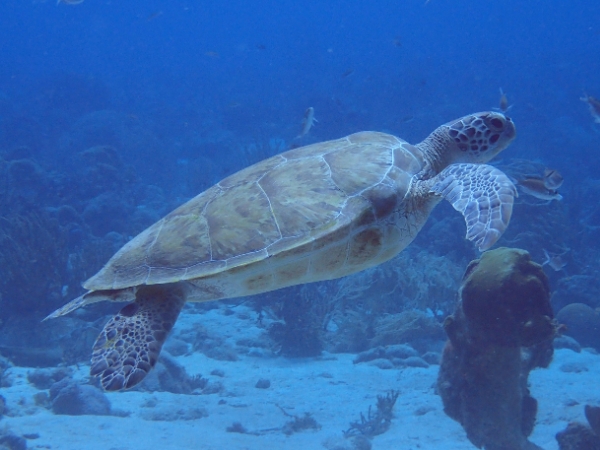
Green turtle - Chelonia mydas - Turtuga blanco
Green Turtles
Green turtles are red-listed as endangered species. However, in Aruba, juveniles and sub-adults are found year-round in our waters. Their diet primarily consists of seagrass and algae, which leads to green subcutaneous fat observable on their underside, from which they got their name. While their exact migration routes throughout their lifespan is not known, tracking info shows that they generally stay in Caribbean waters.
Photo by Albi Valdez © Albi Valdez
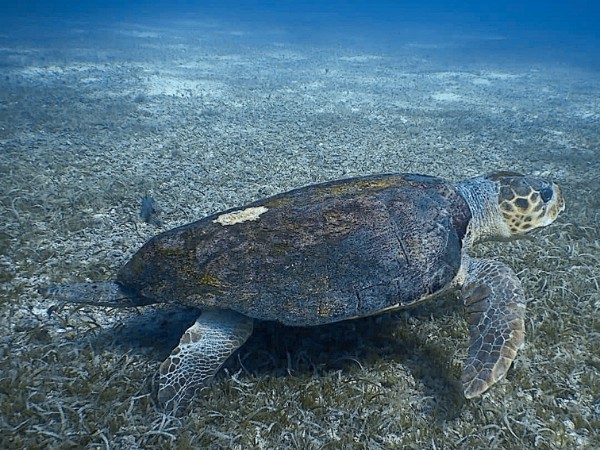
Loggerhead turtle - Caretta caretta - Cawama
Loggerhead turtle
Loggerheads can be identified by their relatively large head and neck . These are needed to support their strong jaw muscles to process their diet that primarily consists of mollusks and crustaceans.
Photo by Leo Adicora © Leo Adicora
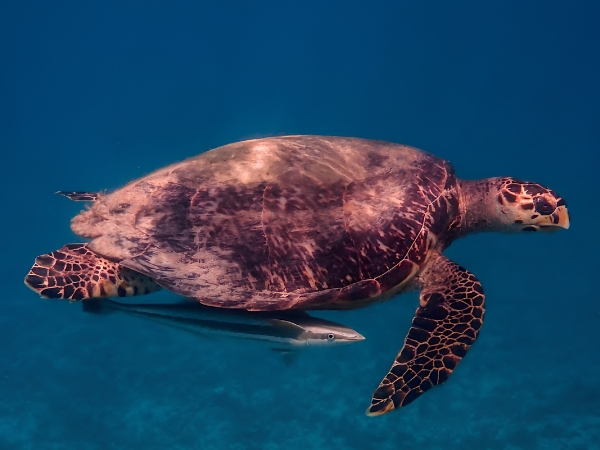
Hawksbill turtle - Eretmochelys imbricata - Caret
Hawksbill turtle
While all sea turtle species are vulnerable to varying degrees, hawksbill turtles are critically endangered. They are the smallest of our species. A hawksbill hatchling is tiny and measures approximately only 3-4cm (1.1-1.5 inch). Though they largely eat sponges, hawksbills use their hawk-like beak to reach for food in crevices. Hawksbills, like the loggerheads, are spotted from time to time on our reefs.
Photo by Tobia de Scisciolo © Tobia de Scisciolo
Sea turtle facts & stats
Graph over time
Threats they face
Sea turtles are subject to a host of different threats: some global, and many local. A major global threat is sea level rise due to global warming, causing beaches to slowly disappear over time and leading to a loss of nesting habitat. The current sea-level rise in the Caribbean is 3.4 mm a year.
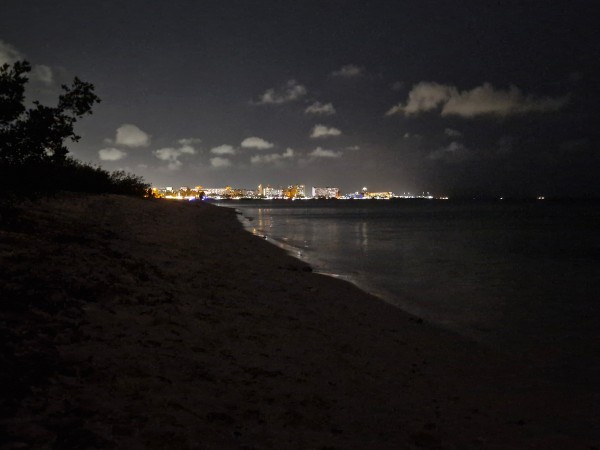
1. Light Pollution
As for local threats, the most significant one is light pollution. Artificial lighting can deter females while coming ashore and cause their return to the sea without nesting. Hatchlings are disoriented by artificial light. They are lured inland instead of heading for the ocean, often with fatal consequences.
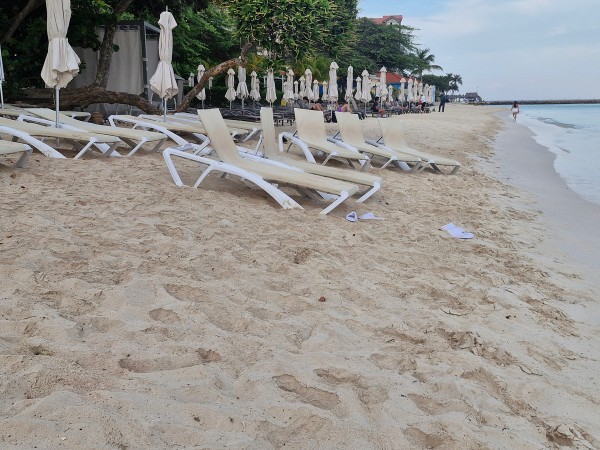
2. Loss of nesting habitat
Another significant threat is the loss of nesting habitat due to coastal development. In this image you can see the beach chairs of a new hotel on the Palm Beach strip occupying the habitat of where turtles can lay their nests.
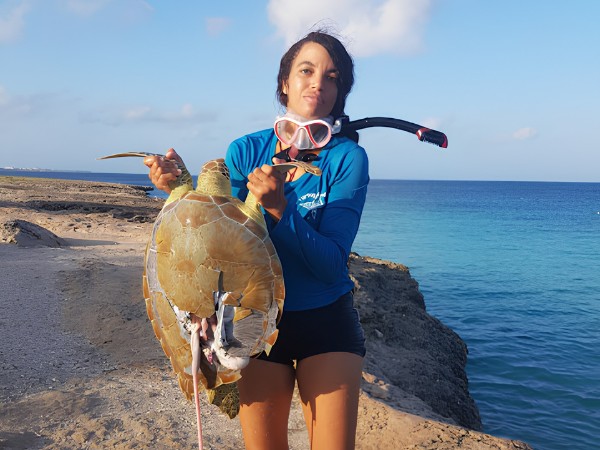
3. Boat strikes
Maritime traffic is also a threat to sea turtles. This green turtle was struck by a boat, and was fatally injured.
4. Pollution
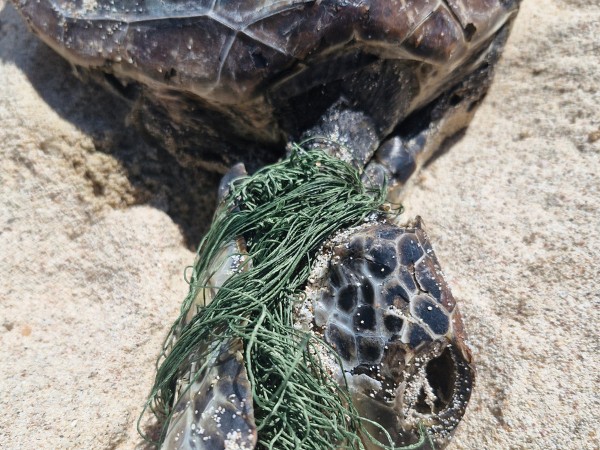
Pollution, both in the ocean and on the beaches, can be fatal to sea turtles. This green turtle was entangled in a line, catching its head and both its front flippers together.
5. Other threats
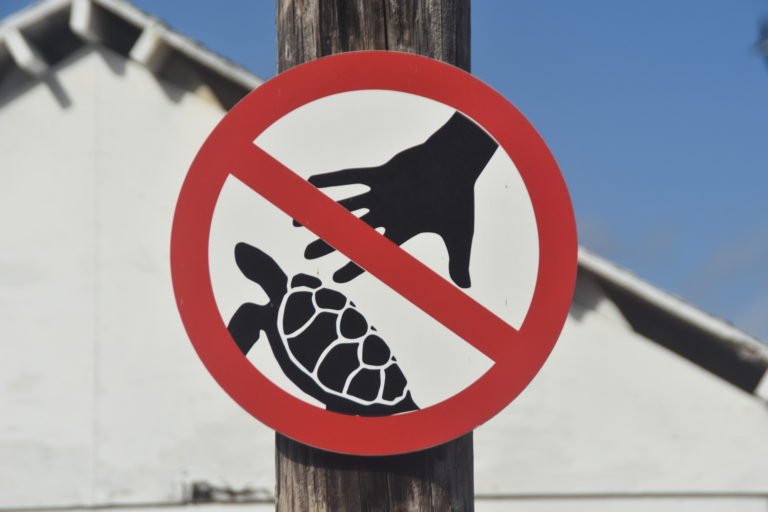
Other threats include motorized driving on beaches and harassment of sea turtles in the water.
knowledge is power: protect what you love.
What you learn here, you can share. What you share, others will protect.
For more knowledge and information on turtles you can find an ultimate expert guide here.
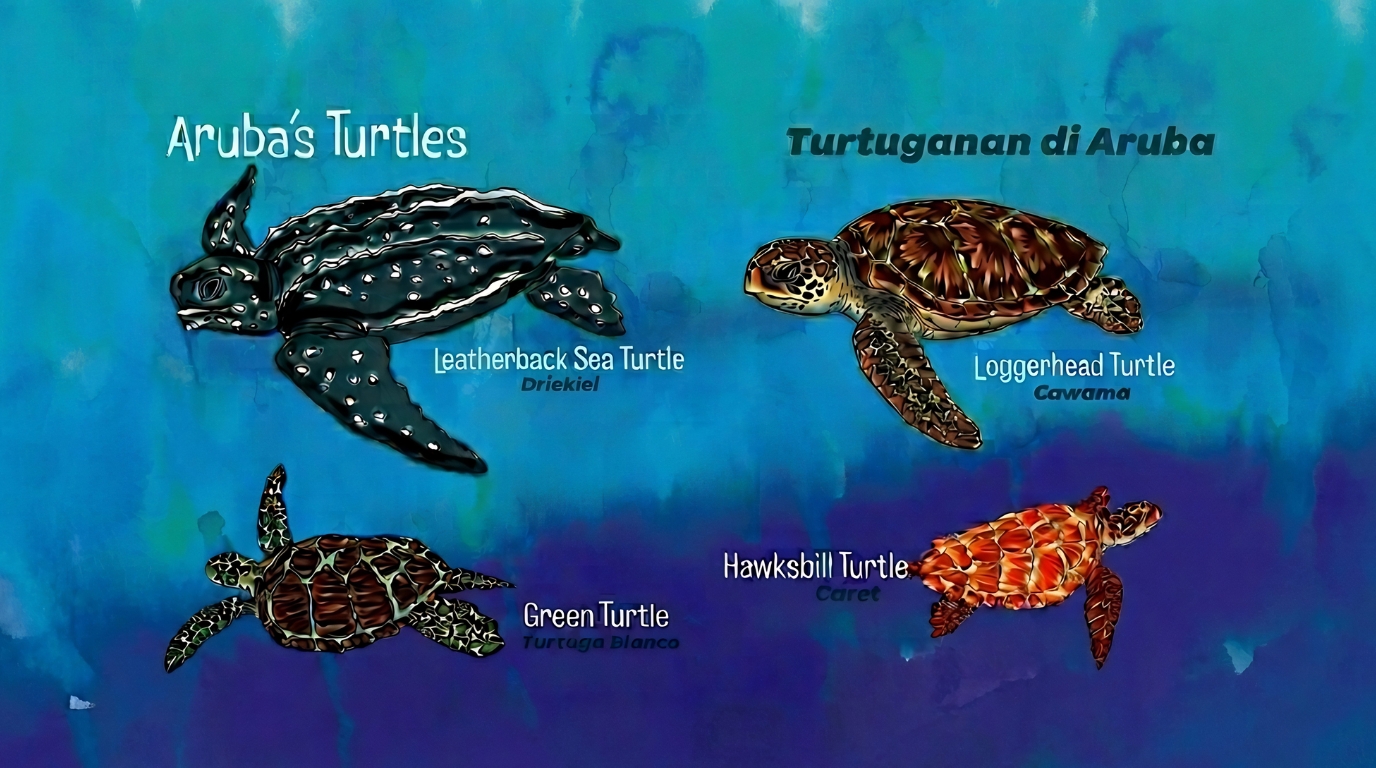
Illustration created by Suyin Ridderstap © Suyin Ridderstap