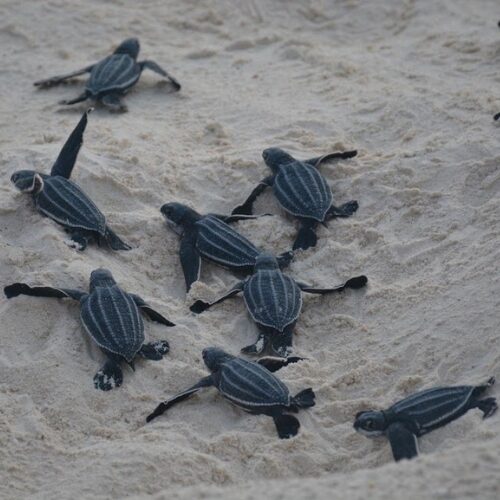
Protecting turtles and the habitats they call home
Our mission is simple: to protect sea turtles and the habitats in which they live. Everything we do from overnight beach patrols to satellite tracking to school visits serves that goal.
Learn how we protect sea turtles below
Six core programs drive our conservation work on Aruba's beaches.
1. Beach monitoring every season
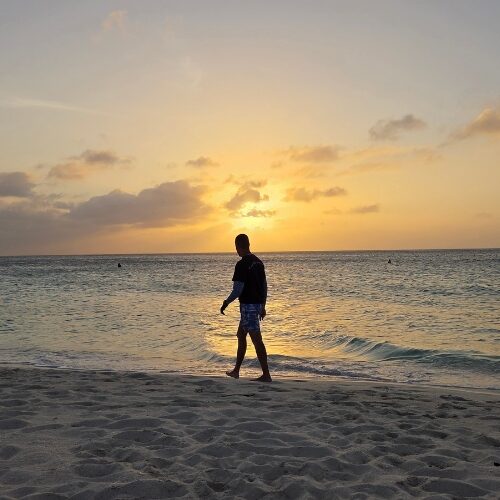
Every beach on Aruba is monitored daily during nesting season to collect data on nesting activity. Early morning patrols are our primary method — volunteers identify nests, record the nesting date and exact location, and place protection materials to keep each nest safe until it hatches.
Volunteers who join our monitoring programme commit to the full season. Before patrols begin, every volunteer is trained on our monitoring protocol to ensure consistent, reliable data.
Over more than two decades of coordinated monitoring, more than a hundred volunteers have walked these beaches alongside us.
2. Nest rescue and security
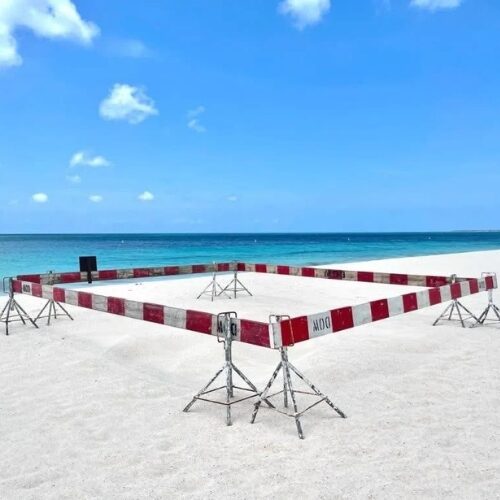
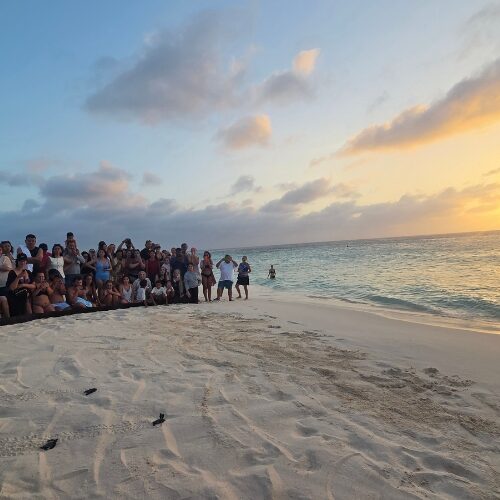
Once a nest is identified, we act quickly to secure it. Protection barriers are placed around vulnerable nests, particularly those exposed to vehicle traffic, beach furniture, or artificial lighting, to give every clutch the best possible chance of hatching successfully.
3. Sea turtle rescue operations
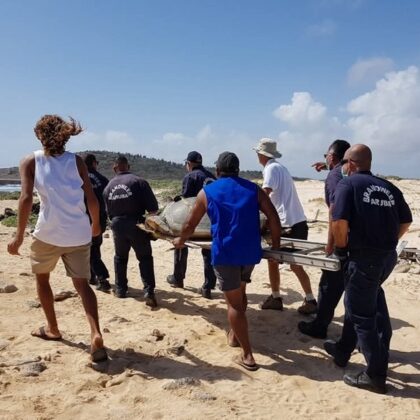
Over the years, Turtugaruba has been involved in multiple sea turtle rescue operations. Nesting females can become disoriented by artificial lighting and lose their way back to the sea. In one instance, working alongside Aruba's Fire Department, our team successfully rescued a Green Turtle that had strayed far from the waterline.
In another case on Eagle Beach, a nesting Leatherback became entangled in ropes used to moor jet skis in the water. Alerted by passersby, our team reached her in time and managed to free her safely.
4. Beach Clean-Ups
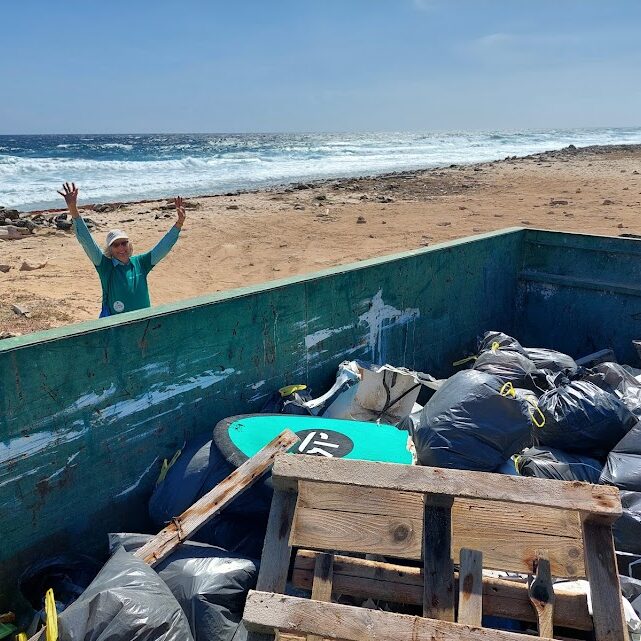
A clean beach is a safe beach for nesting turtles. Debris from plastic waste to abandoned equipment can trap hatchlings, block nesting females, or be ingested as food. Turtugaruba organises multiple beach clean-ups every year, removing hazards and keeping Aruba's nesting beaches in the best possible condition.
5. Outreach & Education
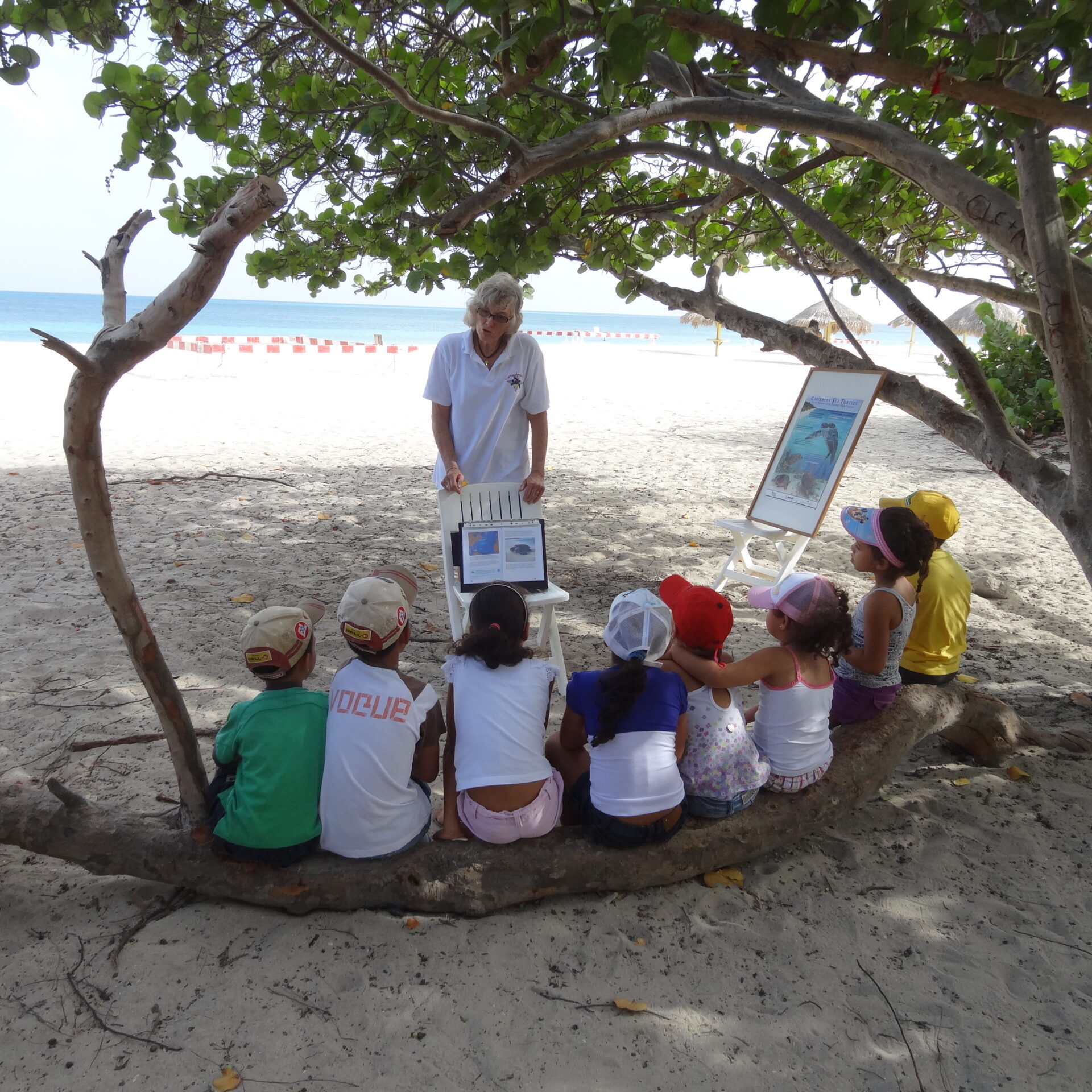
Conservation only works if communities care. Turtugaruba is actively involved in bringing knowledge and awareness to the people of Aruba through school programmes, public campaigns, and direct engagement with locals and visitors on the beach.
6. Data Collection & Research
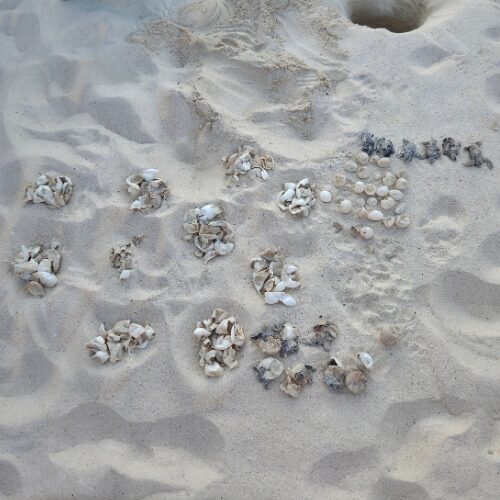
Every nest tells a story. Turtugaruba collects scientific data from each individual nest including temperature, depth, egg data, and genetics. Building a detailed picture of the health and behaviour of Aruba's sea turtle populations over time. We also deploy satellite trackers on nesting females, giving us, and the wider WIDECAST research network valuable insights into their movements across the Caribbean.
Meet the Team - Board of Directors
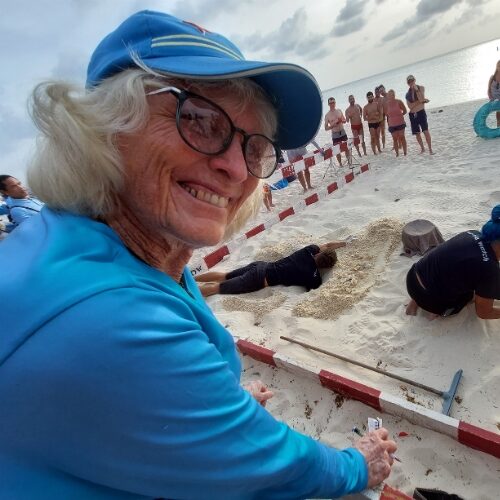
Edith van der Wal
PRESIDENT
Edith, along with her husband Richard, co-founded Turtugaruba Foundation in 2003, after having started operations 10 years prior. As the president, she leads the foundation and is the main steward of our mission.
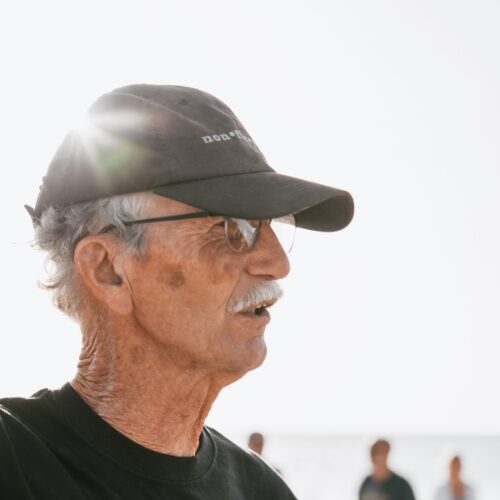
Richard van der Wal
SECRETARY
Richard is the secretary of our foundation. He is furthermore the WIDECAST country coordinator for Aruba, along with Edith, and a member of the marine turtle specialist group of the IUCN.
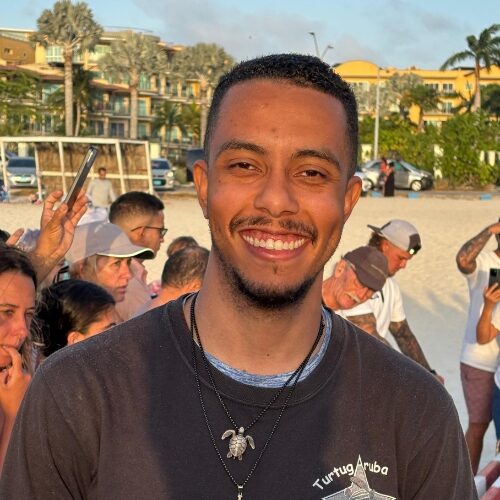
Albi Valdez
TREASURER
Albi is responsible for managing our finances and social media presence. Together with Laura, he forms our in-water specialist team.
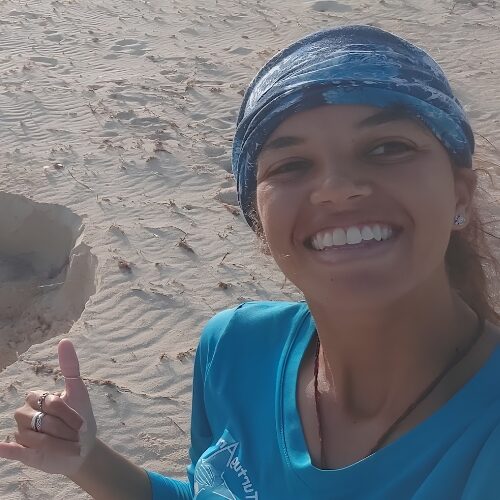
Laura Gurrieri
FIELDWORK COORDINATOR
Laura coordinates our day-to-day fieldwork. She is supported by the 3 other board members and about 25 fieldwork volunteers.
Join our team
We're always looking for dedicated people to help protect sea turtles.
Curious about the turtles we protect?